Heavy Equipment Rental & Tracking Platform
One platform for renting heavy equipment in Saudi Arabia: a marketplace, negotiated contracts, escrow wallets, crew management — and live tracking from the machines themselves.
The problem
Heavy equipment in Saudi Arabia is still rented mostly by phone calls and paper. The owner can’t see where a machine is or how long it really worked. The renter can’t check what they are paying for. And when payment is late or work stops, there is no shared record to settle the dispute.
This platform moves the whole cycle into one place — from listing a machine to the final payment — and adds data from tracking devices on the machines, so both sides see the same facts.
What I did
- Connected tracking devices directly to the machines’ onboard computers, on both old and new heavy equipment, to read their operating data.
- Built the TCP gateway that receives data from the Teltonika devices, decodes their binary protocol, confirms every packet and buffers data during outages. It already receives live data from vehicles.
- Built the admin portal: verifying owners and their documents, and managing equipment catalogues.
- Built the owner and renter portals, where each side manages its equipment, requests and projects.
Architecture
-
Machines
- Onboard computer (old & new machines) (key component)
- Teltonika tracker
-
Gateway
- TCP listener
- Codec 8 / 8E decoder
- ACK & buffer
-
Platform
- Tracking data
- Equipment & marketplace
- Contracts & payments
-
Portals
- Owner portal
- Renter portal
- Admin portal
The hard part: Every machine talks differently — so I read the wires first.
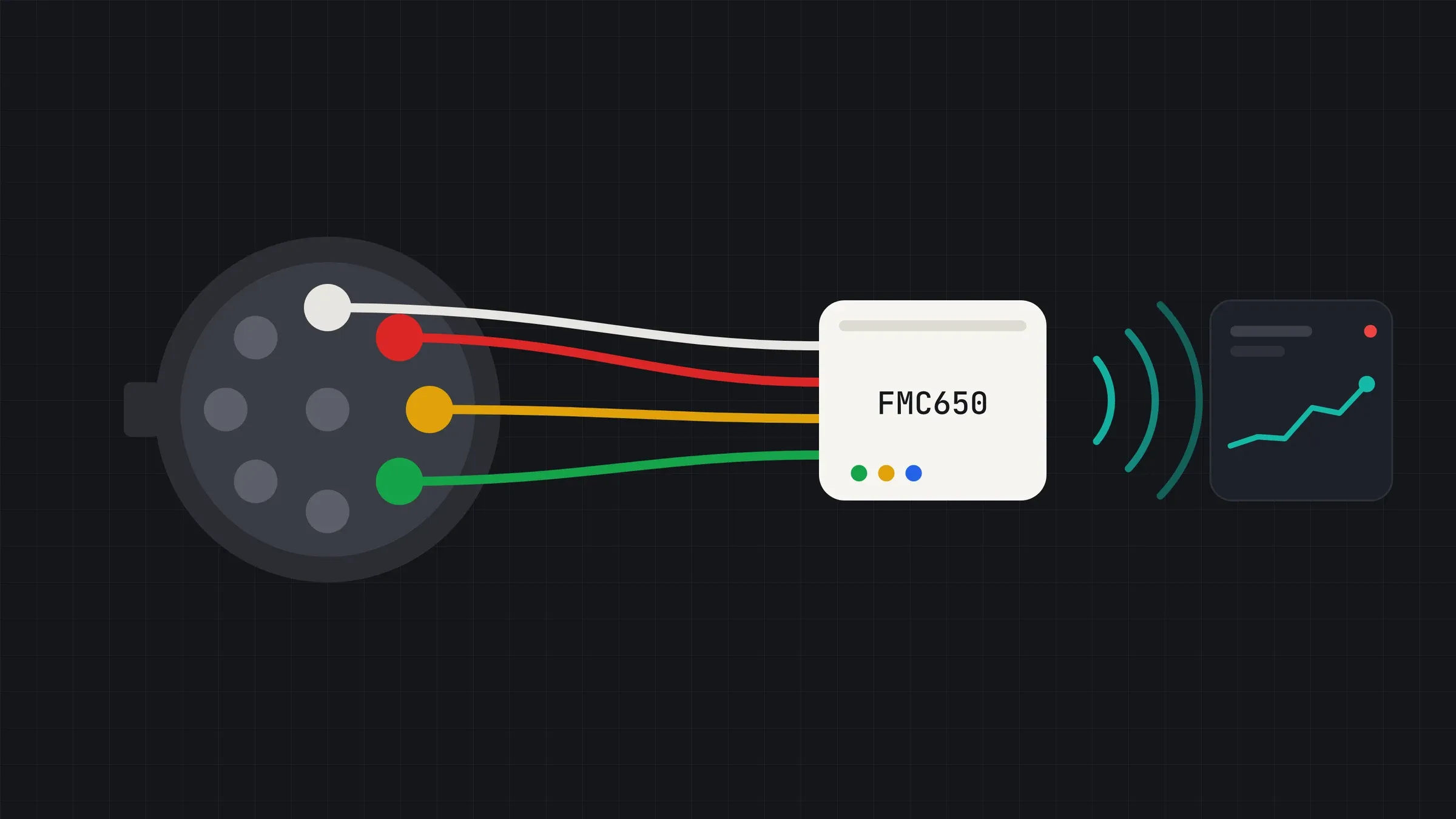
The hardest part was not the software. It was connecting to each machine’s onboard computer and reading data from it. The fleet mixes old and new equipment, and the wiring and connection method change from one machine to the next.
There is no single cable that fits all. For each machine, I identify the right connection by measuring the resistance and the voltage difference between the pins of its connector, then wire the tracking device to match. Only after that does the data reach the gateway clean and readable.
Results
- 3 portals built: owner, renter, admin
- Live vehicle data flowing through the gateway
- Old + new machines wired to the same gateway
What I’d do differently
Survey each machine’s connector before the installation day. Old and new machines wire their data lines differently, so measuring the pins first saves repeated site visits.